Discover
Every good design process begins with research, to learn about and discover the context designed experiences are happening in. This phase of analysis serves two main purposes, to inspire us in preparation of idea generation and provide constraints during evaluation. There's a plethora of tools, methodologies and practices to guide us through this process. These concepts help us navigate the way we learn about the context we're designing for, which we'll go over in this chapter.
Research
Businesses often think they know what their customers want, but they don't actively seek it out. They might hear bits and pieces, but in Matt's (experience designer at RetroFuzz and our Industry Leader at Hyper Island) experience there's often no structure to it (Kendall, 2020). Some clients have no idea of what their customers think because they think they're subject matter experts. Design research is about increasing proximity to our users, to better understand what their needs are. If you don’t understand your users, the ideas you generate will be worthless (Harley, 2017).
“Ideally, everyone who is on the design team should also participate in the research.”
- Erika Hall (2019, pp. 10)
Designing for who?
As designers working for a company or brand, there's an interesting duality to consider. Working commercially we ultimately want to do what's right for the business. Sometimes that's in line with what the customer wants, but at other times they oppose each other. In the end, it's a balancing act. Personally I feel that, as designers, we have an ethical responsibility to craft products that benefit people. We have to try to get a mutual win for the business and customers because, unfortunately, we can't always win. When that happens is where the hard decisions will have to be made (and usually they're in favour of the business) (Kendall, 2020).
When doing research we have to be selective about who we talk to. The importance of this is beautifully illustrated in the book Alchemy, by Rory Sutherland:
“Metrics, and especially averages, encourage you to focus on the middle of a market, but innovation happens at the extremes. You are more likely to come up with a good idea focusing on one outlier than on ten average users.”
- Rory Sutherland (2019, pp. 100)
We don't get inspired by people that care a little about something, we find value in the extremes. That doesn't mean we only talk to people who care about something a lot. Generally, we should also talk to people who don't care about something at all!
Generative or Exploratory Research
To make sense of these interweaved messes, design research usually starts with generative research. This is the type of research to figure out what we should be doing and pay attention to. It leads to ideas and is used to define the problem. A generative research question sounds something like “What’s up with...?” (Hall, 2019, pp. 33).
Generative research and analysis develop an understanding of who our users are as humans, and how they experience their everyday lives (Anderson and DScout, 2019). It points out useful problems to solve. Generative research pulls our thought away from the product and puts us close to the lives of the people we are trying to help. It's easy to focus on the product which can lead us to become quite short-sighted. When we focus on people, we're able to come up with truly helpful solutions. It flips our thinking to become problem-space oriented instead of solution-oriented.
Descriptive or Explanatory Research
Following our exploratory research, we should determine the unmet needs that are most commonly voiced. The result of generative research might be a hypothesis, like; “People wear clothes as a statement, to not only show what they think is beautiful, but also to show what they care about”.
Next steps could include further research how people currently show their values through fashion. When performing descriptive research, we no longer focus on what problem we're solving, but rather how we might solve the problem. While the activities can be very similar to generative research, the high-level question is different. We go from “What's a good problem to solve?” to “What is the best way to solve the problem we've identified?” (Hall, 2019, pp. 14).
Evaluative Research
Continuing this process, after generating lots of ideas and building prototypes, we move back into research again. We start asking ourselves, “Are we getting close?”. Once we're at this stage, we're able to put our ideas out in the world to test. Evaluative research should be done continuously and iteratively.
Data in Research
Matt (2020) said 'always on' data allows him to quickly grab quantitative data when he needs it. My friend Zeno, Matt and I spoke about the differences between qualitative and quantitative data. His experience has been that corporates often get too attached to large amounts of data. Business people are much more comfortable speaking in data instead of soundbites. Matt tries to get stakeholder buy-in by backing up qualitative data with quantitative data and vice-versa. “Data is telling you what's happening, but not why”, he tells us.
In Practice
For our module experience design, we were handed an assignment by PVH's global innovation team; Area52. Their brief? To help everybody become more sustainable: PVH, their consumers and other industry partners. After a quick session of ripping the brief (Nessler, 2016) with our industry leaders, we started our research process.
Primary research
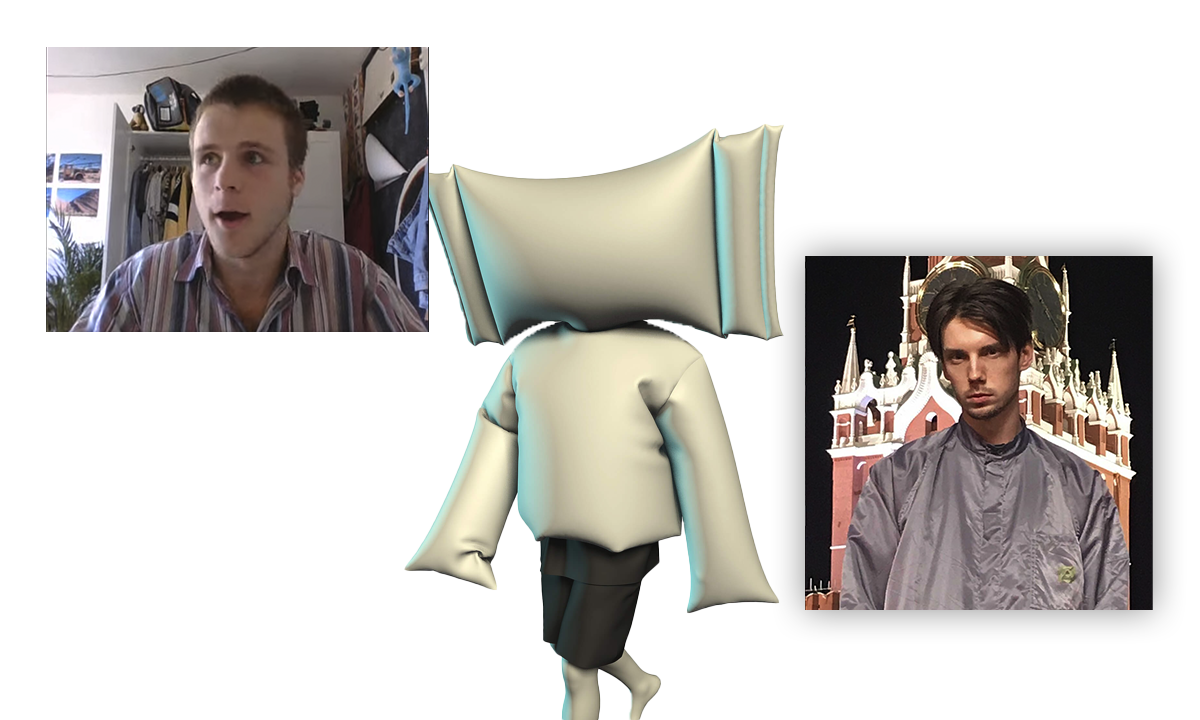
Our primary research was a mix of in-depth user interviews (IDEO, n.d. b) and expert interviews (IDEO, n.d. a). During the entire project we spoke with 12 (potential) users from various countries and with varying interest in sustainable business. In addition, we spoke with 11 industry experts on sustainability, digital fashion and fashion marketing. This was assisted by industry insight through secondary research.
Secondary Research
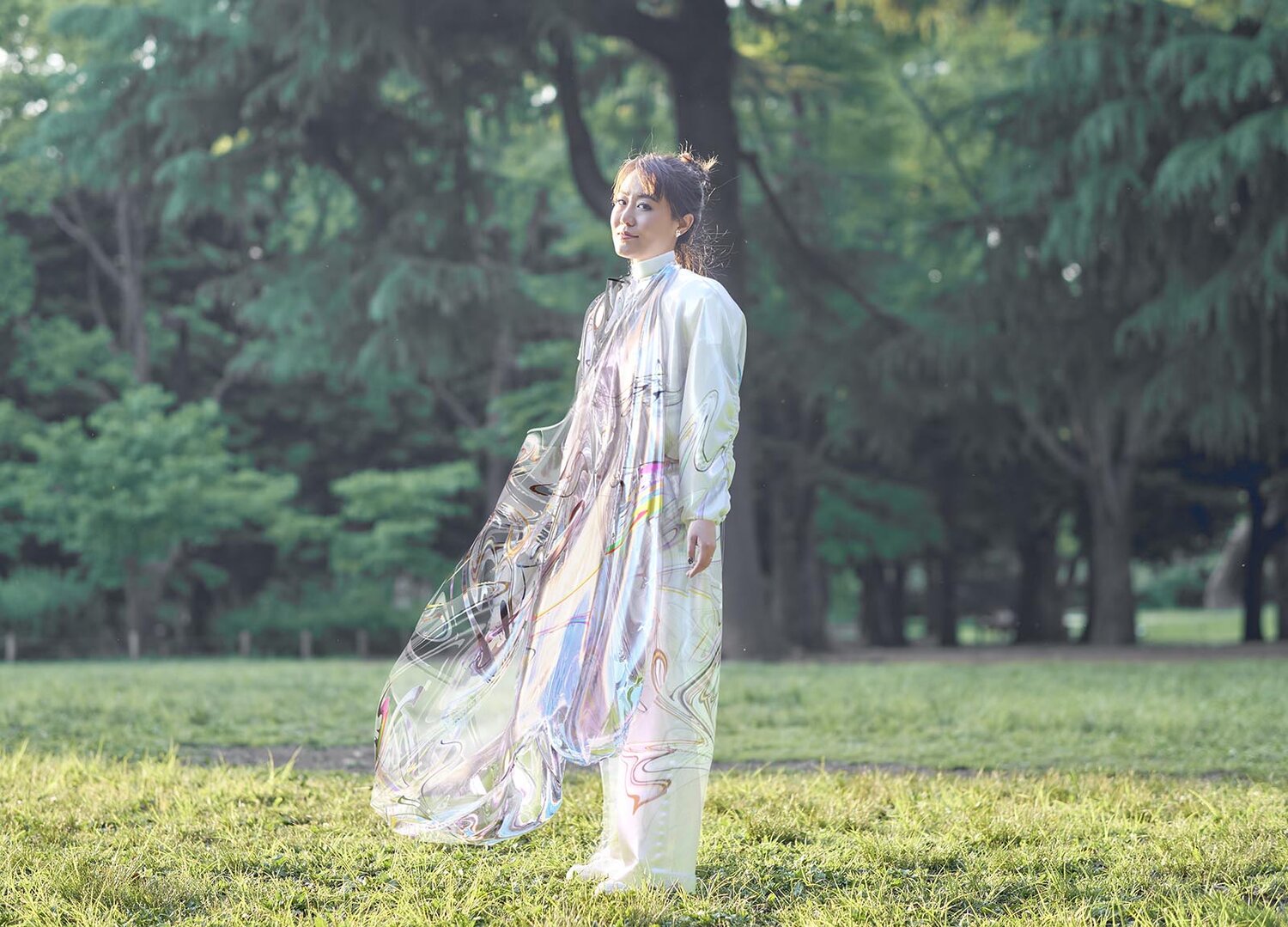
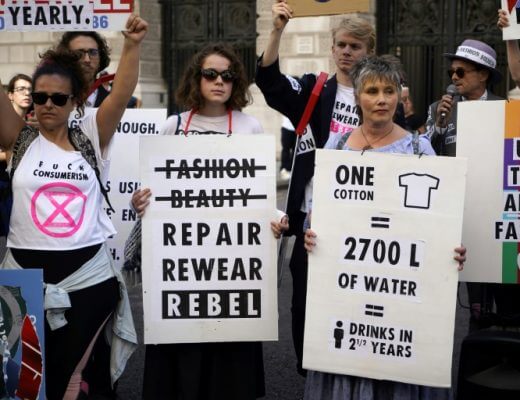
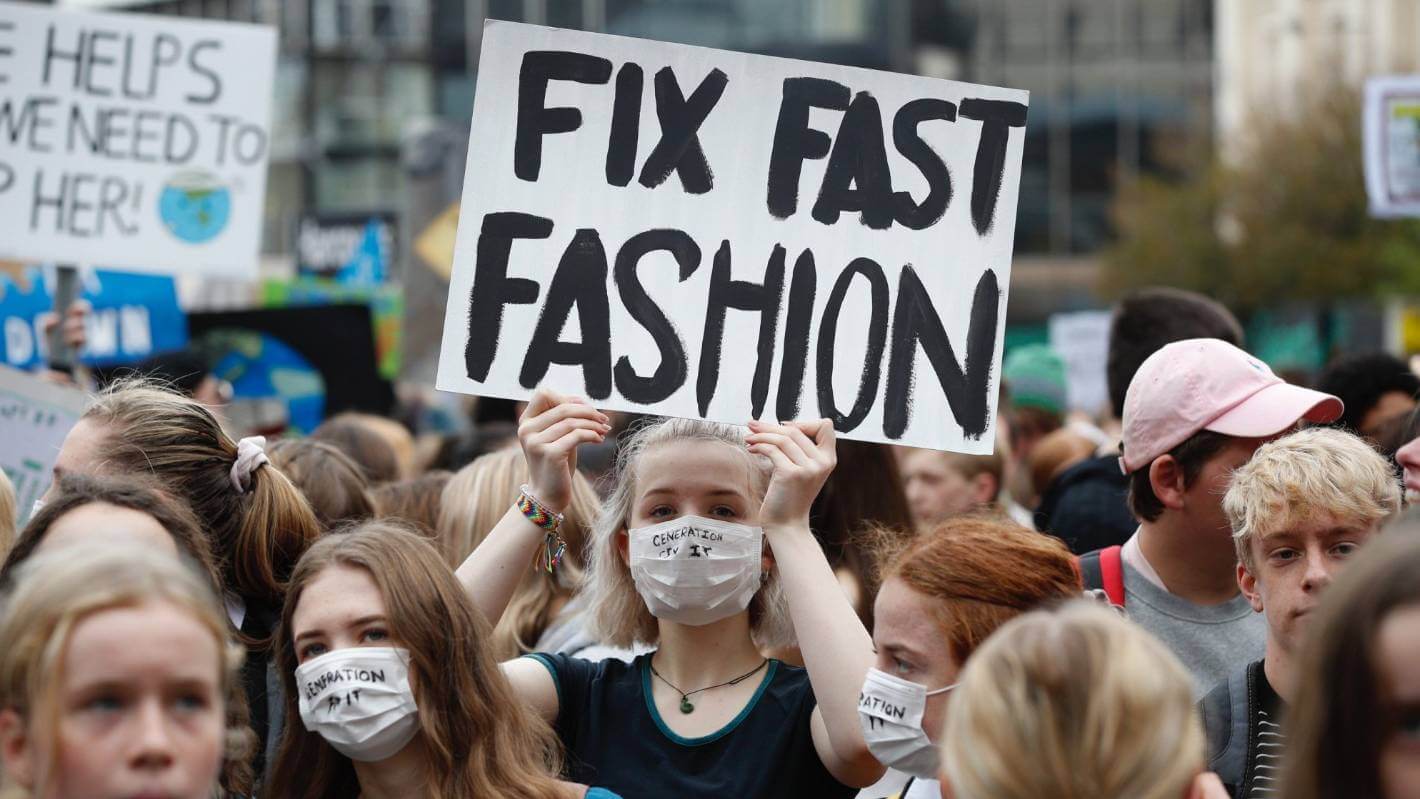
Our secondary research was a blend of industry analysis and business analysis. Our analysis of the fashion industry, with a focus on sustainability, revolved around a DESTEP (similar to PESTEL) analysis. It provides a holistic view of the industry and shows large movements in the industry as a whole. We learnt about PVH and its subsidiaries through a SWOT analysis. To top it all of we also analysed what fashion experts had to say about sustainability specifically.

Key findings
- Digital & physical fashion are converging
- Fashion industry faces an ‘existential crisis’
- The fashion industry is now responsible for 10% of all humanity's carbon emissions
- Mainstream brands (like Tommy Hilfiger) are starting to design 100% digitally
- Consumers are starting to shift towards supporting small, local and independent brands
- Consumers seek out brands that they align with morally